{{ 'fb_in_app_browser_popup.desc' | translate }} {{ 'fb_in_app_browser_popup.copy_link' | translate }}

{{ 'in_app_browser_popup.desc' | translate }}

MENU CART {{currentCart.getItemCount()}}
The maximum number of items is 100, please adjust the quantity and purchase again

Facilities

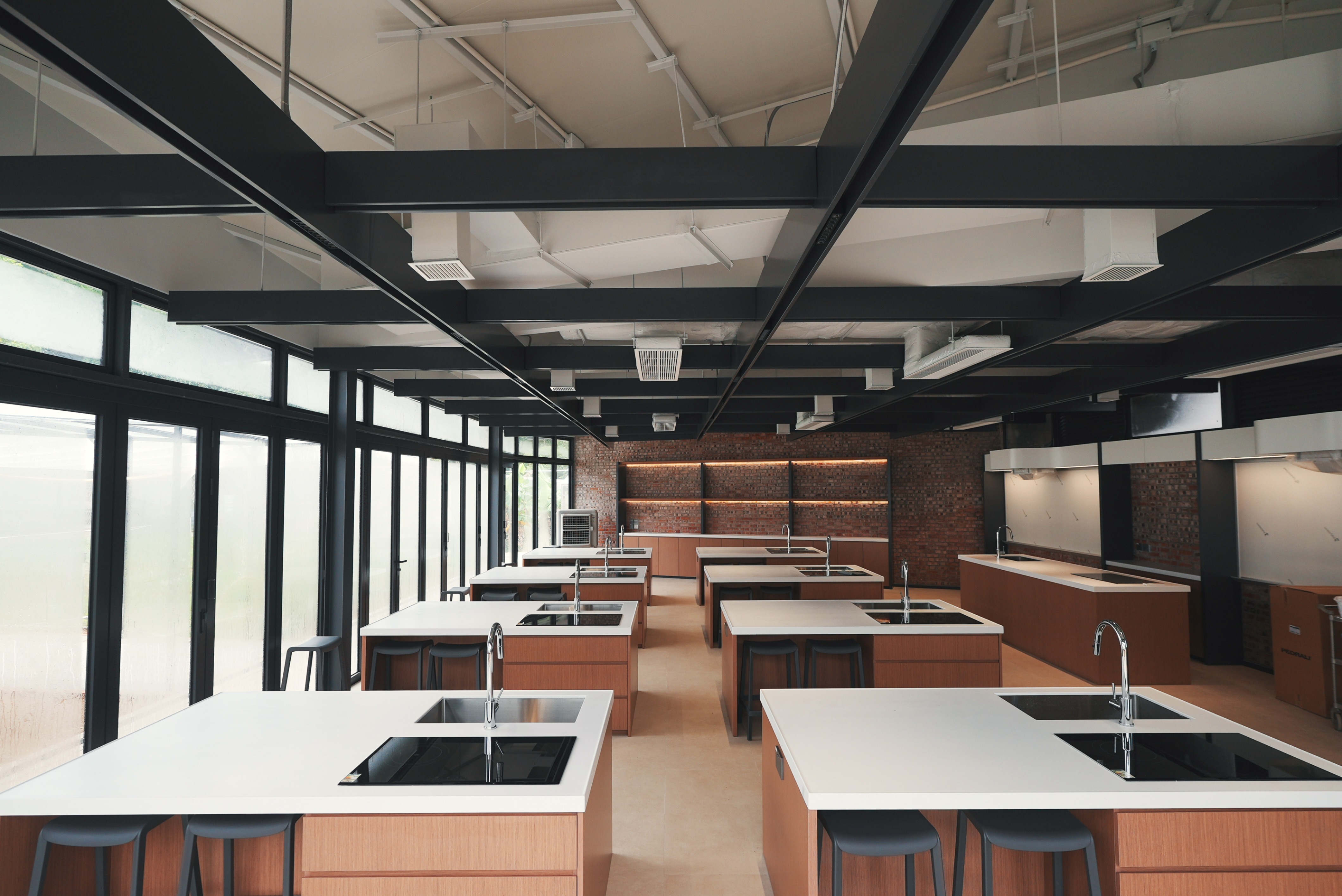
Jockey Club Low Carbon Culinary Centre

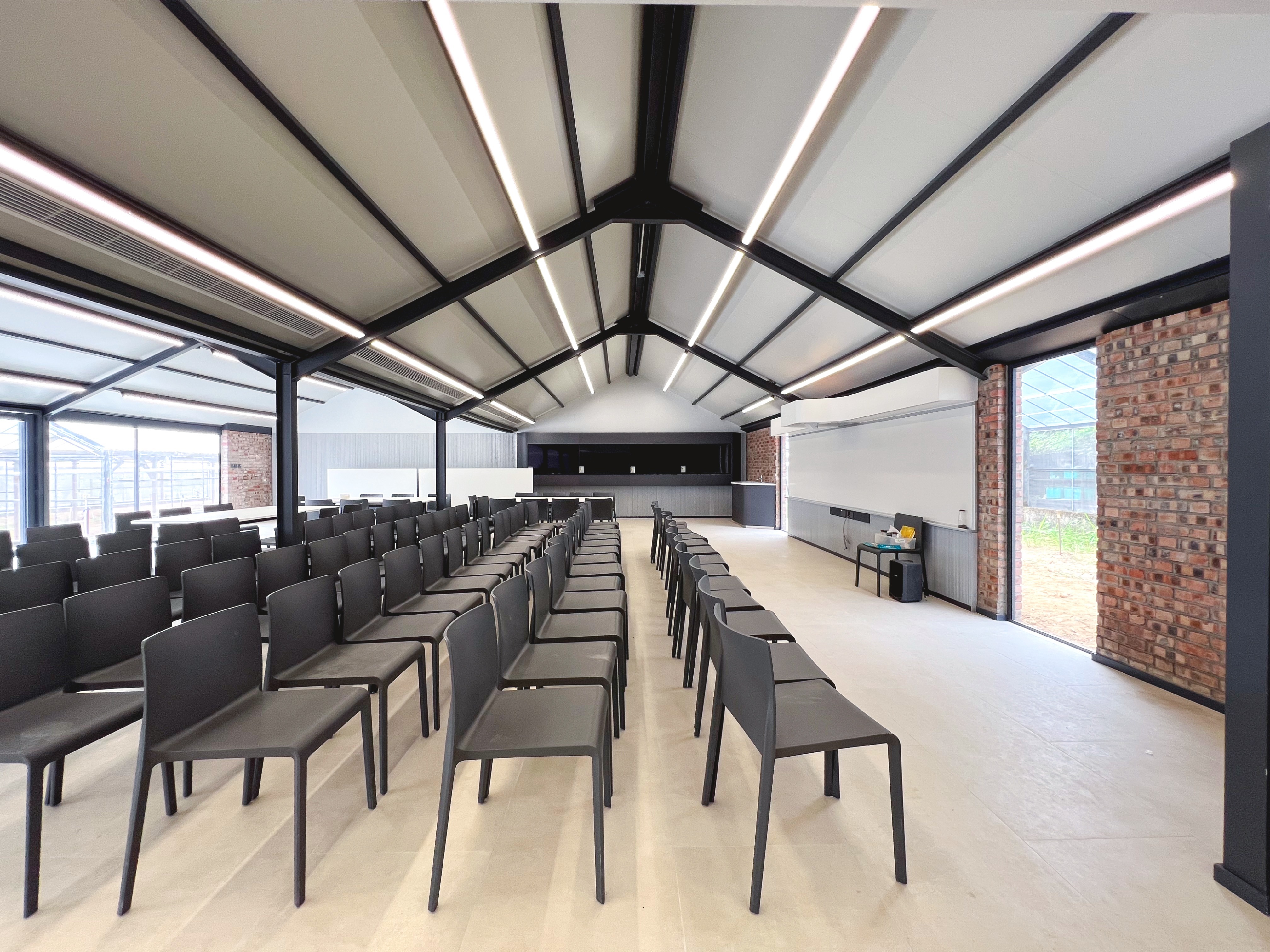
Embodying the "farm-to-table" philosophy, the kitchen provides spacious cooking venues equipped with professional equipment and teaching facilities, where diverse cooking activities and workshops are regularly held. Through combining hands-on experience with theoretical learning, the kitchen actively promotes the environmental benefits of local organic ingredients while enhancing participants' understanding of healthy eating.

Jockey Club Smart Agriculture Centre

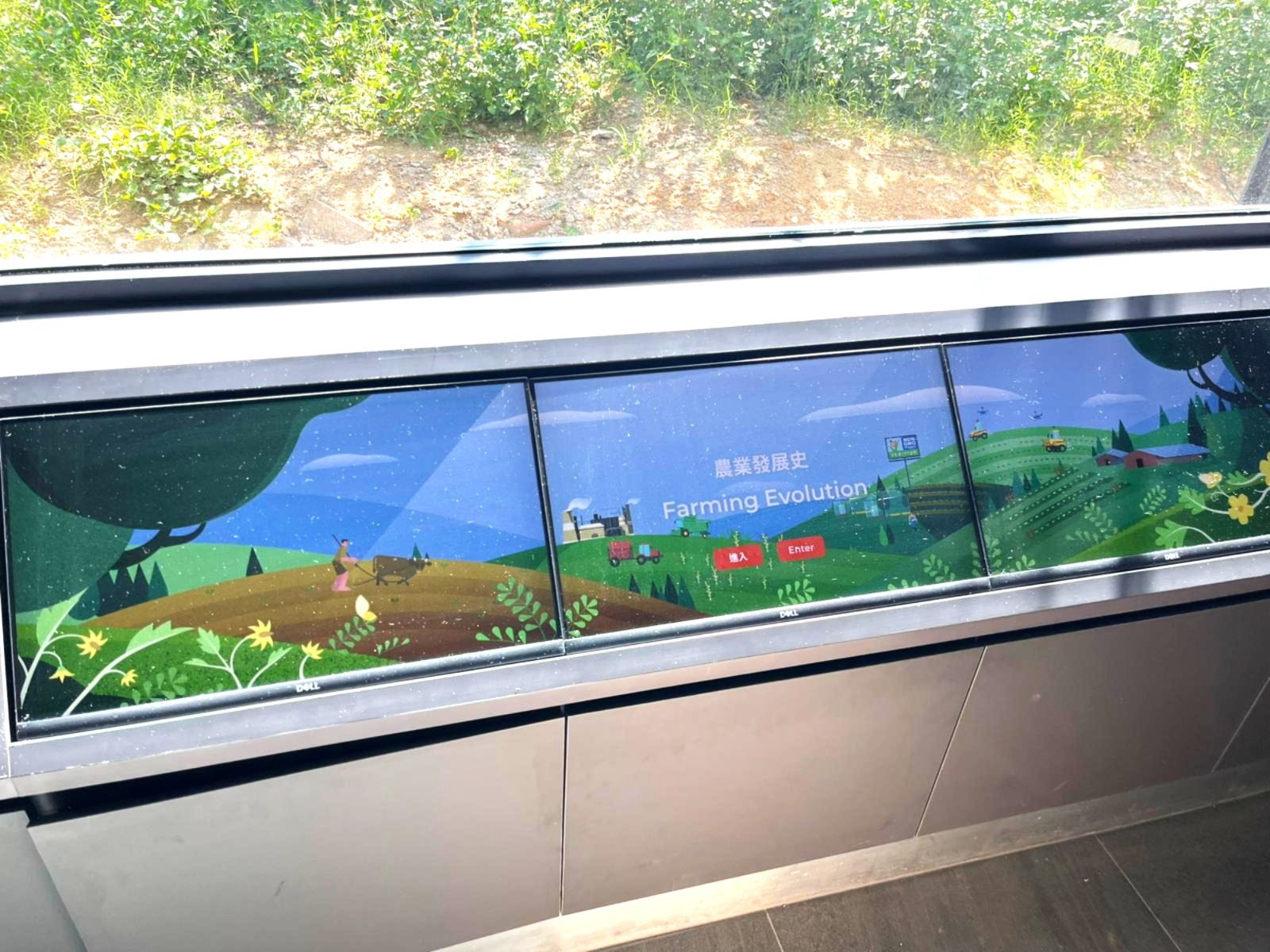
The Jockey Club Smart Agriculture Centre features multiple dashboards integrated with Internet of Things (IoT) sensors and Artificial Intelligence (AI) technology to monitor crop cultivation data in real time, such as soil moisture, water quality and climate conditions. This enables farmers to precisely assess crop growth conditions and adjust irrigation and fertilisation strategies as needed. Visitors can also explore the history and evolution of organic farming and agriculture through multimedia facilities in the interactive exhibition area.

The gallery also houses a retail shop, selling farm products, snacks and fresh juices, and provides a rest area for visitors and hiking enthusiasts.

 Jockey Club Organic Learning Laboratory

Equipped with various scientific instruments and teaching equipment, the laboratory regularly hosts interactive activities and workshops focused on scientific experiments. They cover areas such as organic farming, food nutrition, biodiversity and renewable energy applications. Through combining theory and practice, it fosters scientific inquiry while promoting environmental protection and sustainable development.

Smart Agriculture

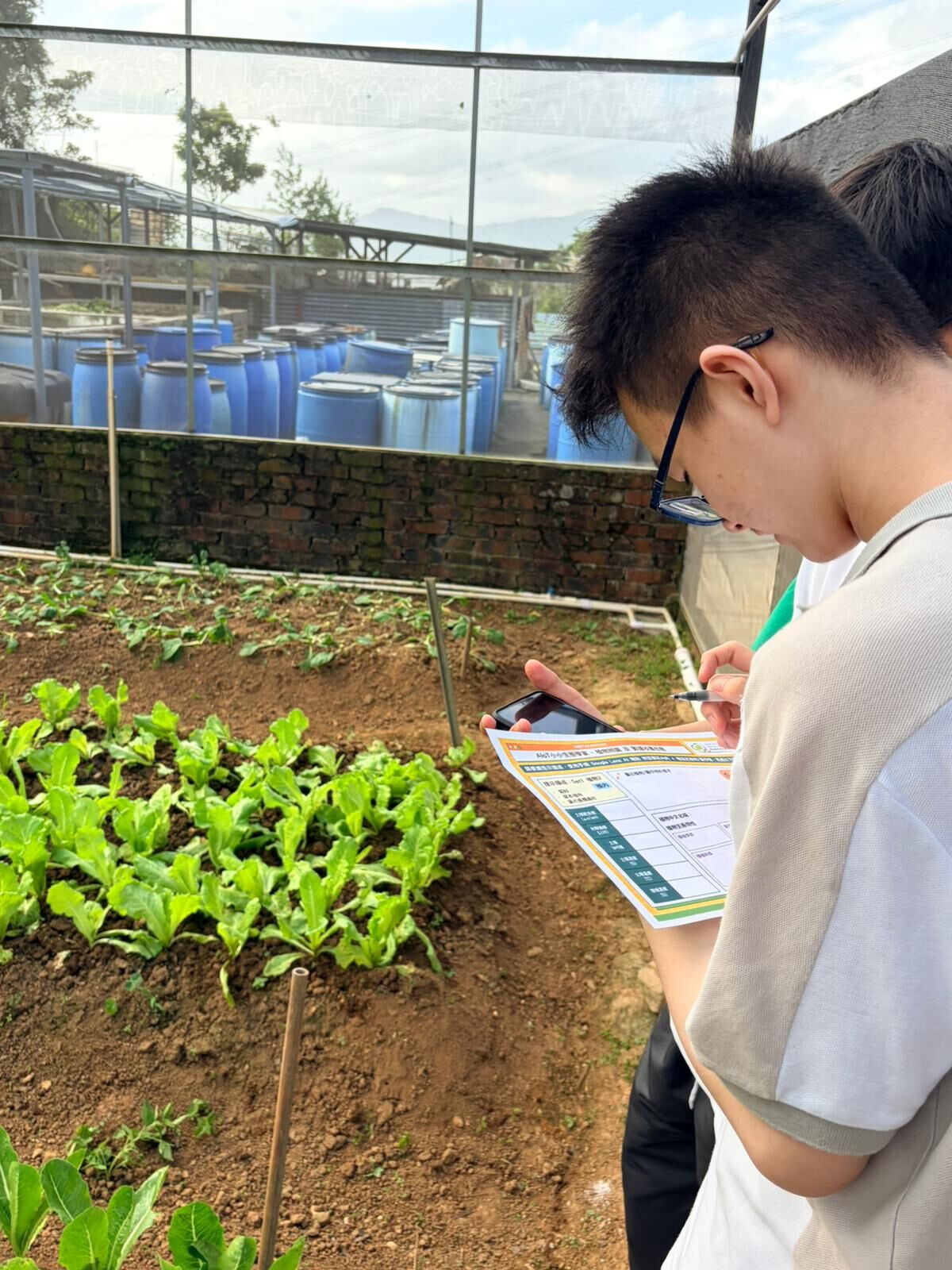
To lessen the impact of climate change on agriculture, enhance production quality through technology and enrich learning experiences, the Farm has introduced advanced technologies such as Internet of Things (IoT), Artificial Intelligence (AI) and Big Data to monitor crop planting data in real time. These technologies are not only applied to agricultural production but also integrated into education programmes, allowing young people to learn smart farming techniques and experience innovative solutions to real-life agricultural challenges. Through hands-on participation in data collection, analysis and application, participants gain a deeper understanding of modern farming trends while developing technological literacy and environmental awareness.


Automated Irrigation System

Through precise soil moisture monitoring, the system automatically adjusts irrigation timing and water volume to ensure that crops receive appropriate hydration while conserving water.


Intelligent Monitoring System

Utilising sensors and cameras, the system monitors the growing environment of crops 24 hours a day, including temperature, humidity and light, in order to detect and deal with any potential problems swiftly.


Data Analysis and Prediction

The system collects and analyses crop growth data to predict yields, pest and disease risks, and provide optimal planting recommendations to enhance agricultural efficiency.


Intelligent Environment Management

By monitoring rain-proof shelters’ environmental parameters, such as temperature, humidity and carbon dioxide concentrations, the system provides accurate insights into plant growth, allowing for timely adjustments in irrigation and fertilisation to create ideal growing conditions.

Low-Carbon Diet

The Farm is committed to promoting local organic food as a fresher, low-carbon alternative to imported food. Not only does this reduce carbon emissions from long-haul transportation, but it also ensures the freshness of the food. The Farm also organises various activities to educate the public on the benefits of supporting local produce and adopting a low-carbon diet.


Farmers' Markets and Guided Tours

The Farm organises regular farmers' markets to showcase and sell local organic produce, and guided tours to offer insights into the concepts and practices of organic farming and sustainable agriculture.


Low-Carbon Cooking Activity

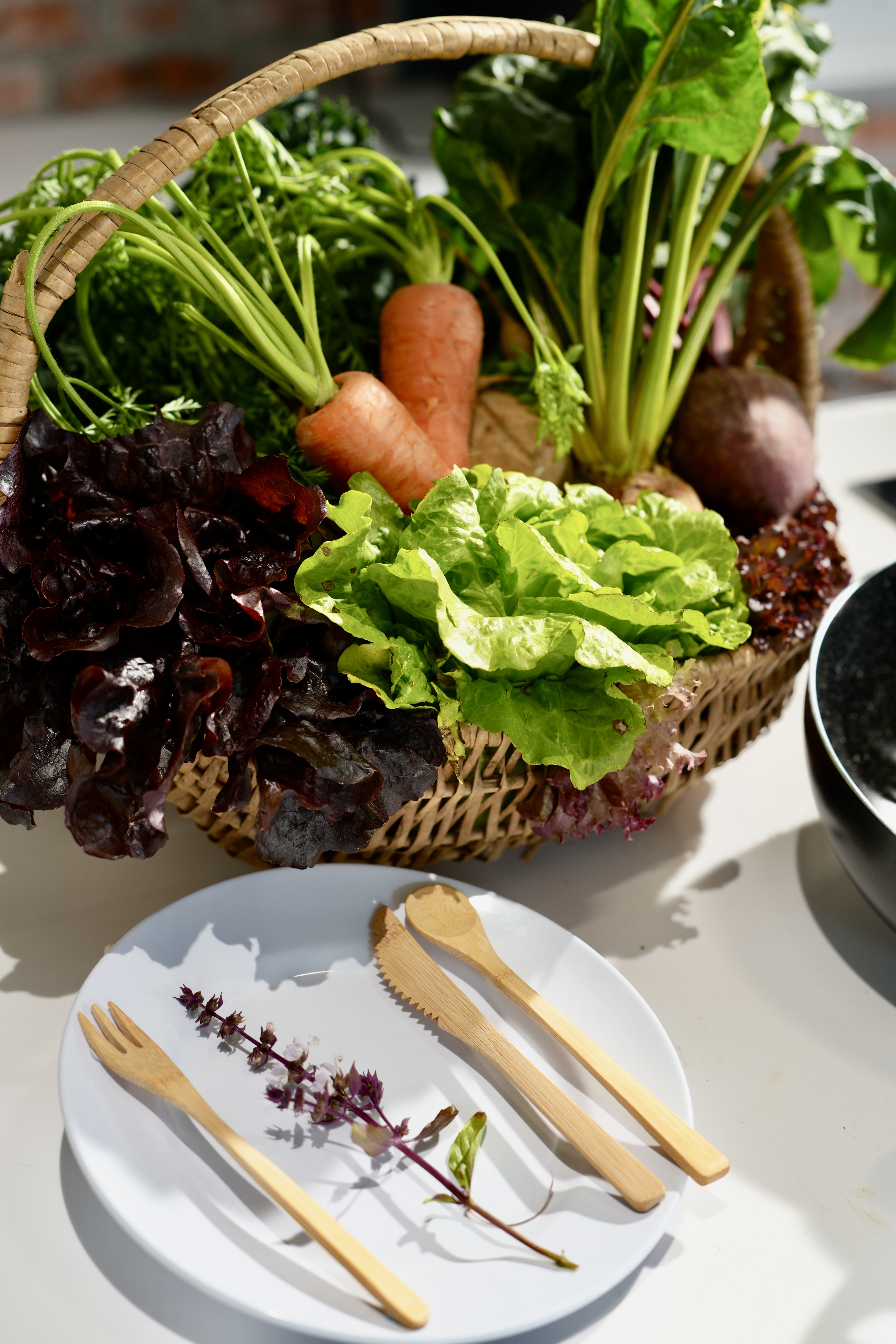
The low carbon cooking activity introduces the nutritional value of local seasonal organic produce while teaching participants to prepare healthy, delicious dishes. They will also learn about low-carbon diets, carbon emissions and carbon footprints of different ingredients, inspiring them to make greener food choices.

Renewable Energy

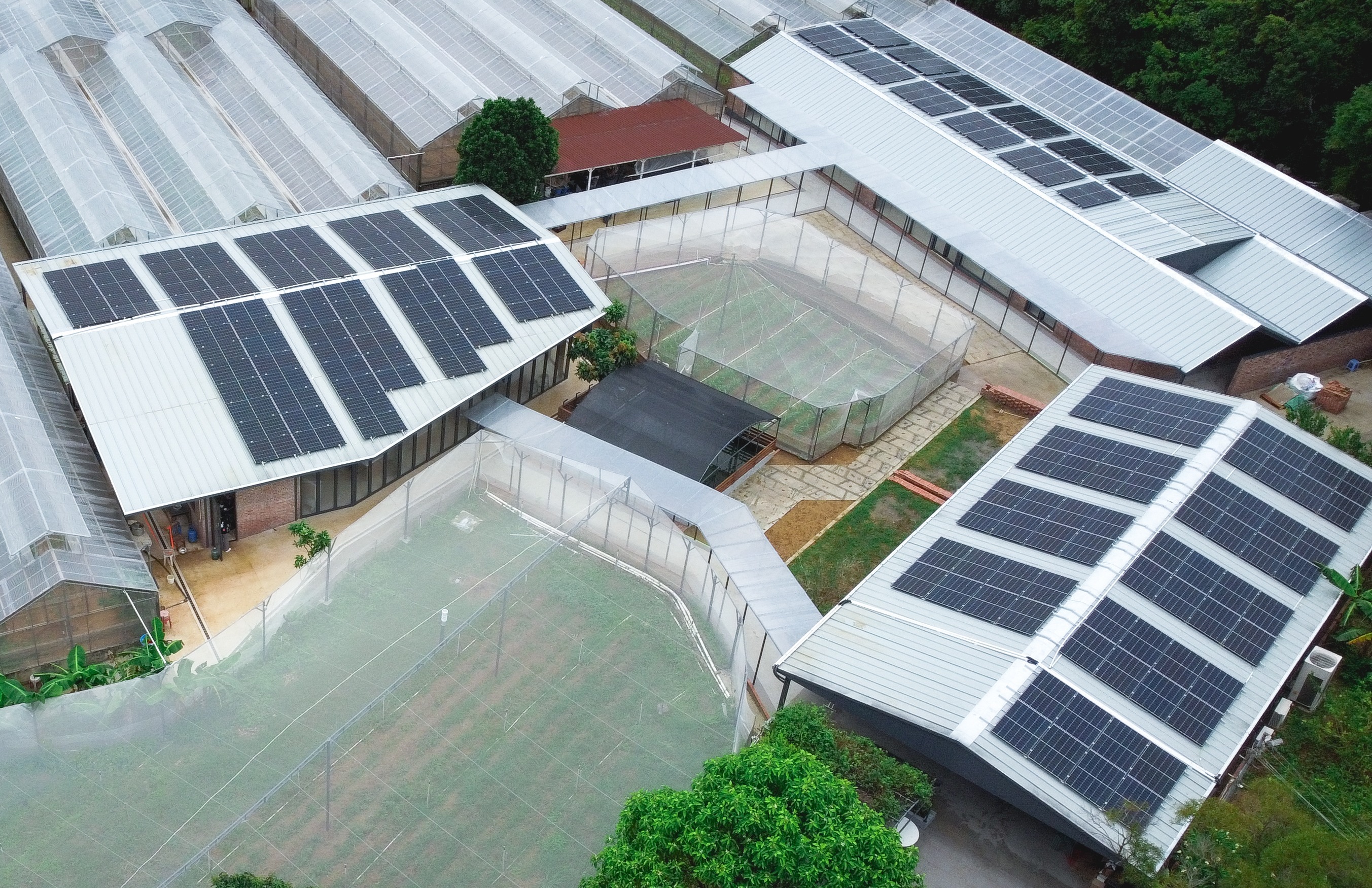
Perched on a mountain with abundant sunshine and open skies throughout the year, the Farm capitalises on its geographical location by installing solar panels on facility rooftops to power the entire Farm with solar energy, replacing fossil fuels and therefore reducing carbon emissions and pollution.


Solar Power Generation

The Farm’s solar panel system converts sunlight into electricity, providing a sustainable power supply for facilities. The system is equipped with intelligent monitoring devices that track power generation and electricity consumption, optimising energy usage while serving as a practical example of environmental education.


Ho Pui Irrigation Reservoir

The Farm uses water from the Ho Pui Irrigation Reservoir for crop irrigation to achieve sustainable water management.